Electromechanics Plus
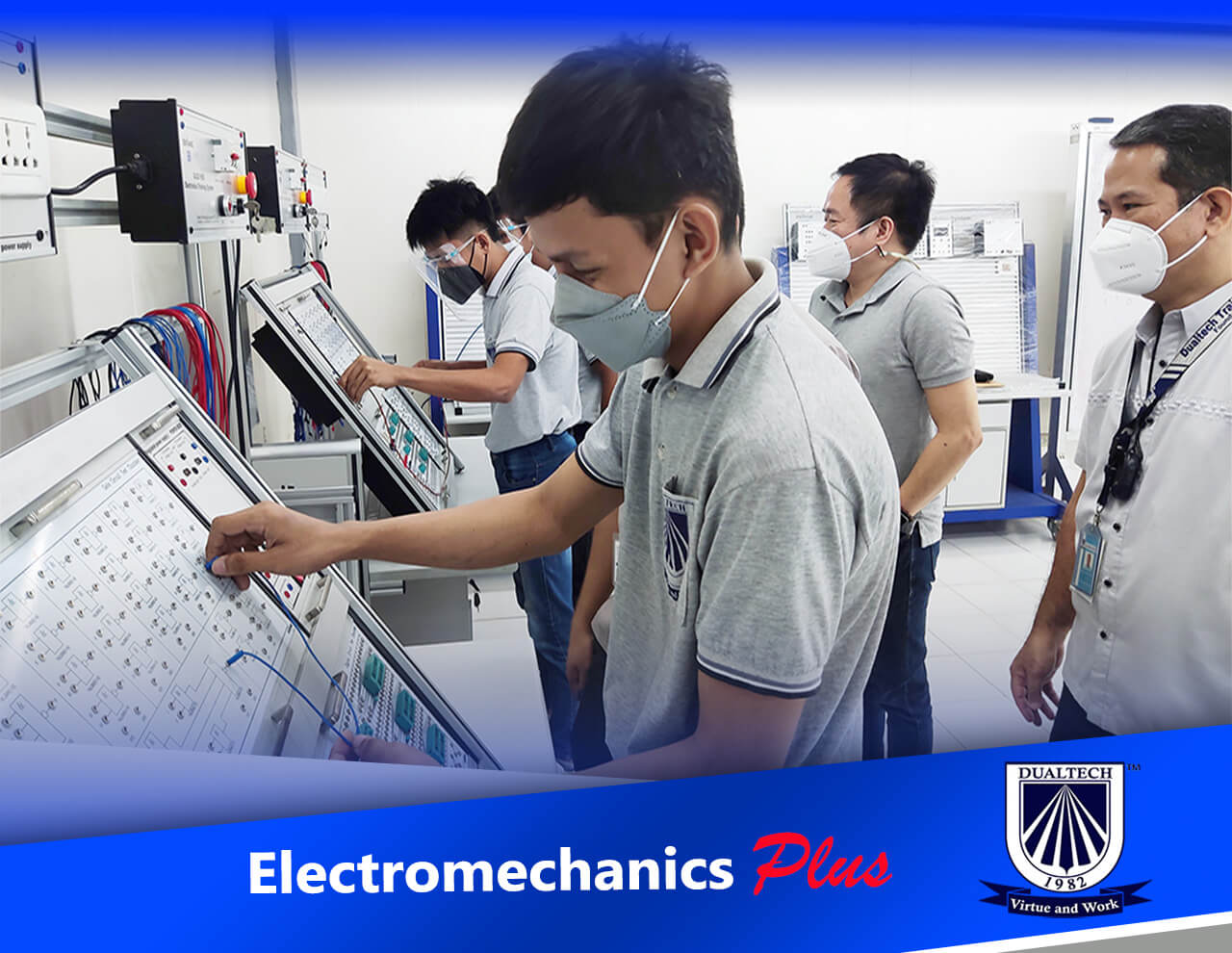
The link between electronic and electrical circuits is typically provided by relays or transistors. These are essentially switches but, rather than being pushed manually like a light switch, are operated by a small current from an electronic circuit. Therefore, a small circuit may be used to operate much larger electrical equipment. Both involve moving electricity around a circuit to power useful products and machines, but that is where the similarity ends.
To acquire the competencies in both electrical and electronic trades, Dualtech added the Basic-Industrial-Automation-Self-Driven-Learning (BIA-SDL) in the curriculum. This new module bridges the gap between the two skill sets. The students progress from analog to digital devices. Having studied relays, the student studies transistors. Students do not only learn how to use the devices but understand why such devices work.
For example, the main difference between electrical and electronic circuits is that electrical circuits have no processing capability, while electronic circuits do. An electric circuit simply powers machines with electricity. However, an electronic circuit can interpret a signal or an instruction and perform a task to suit the circumstance. For example, a microwave oven often beeps when it has finished cooking, to inform the user that his or her meal is ready.
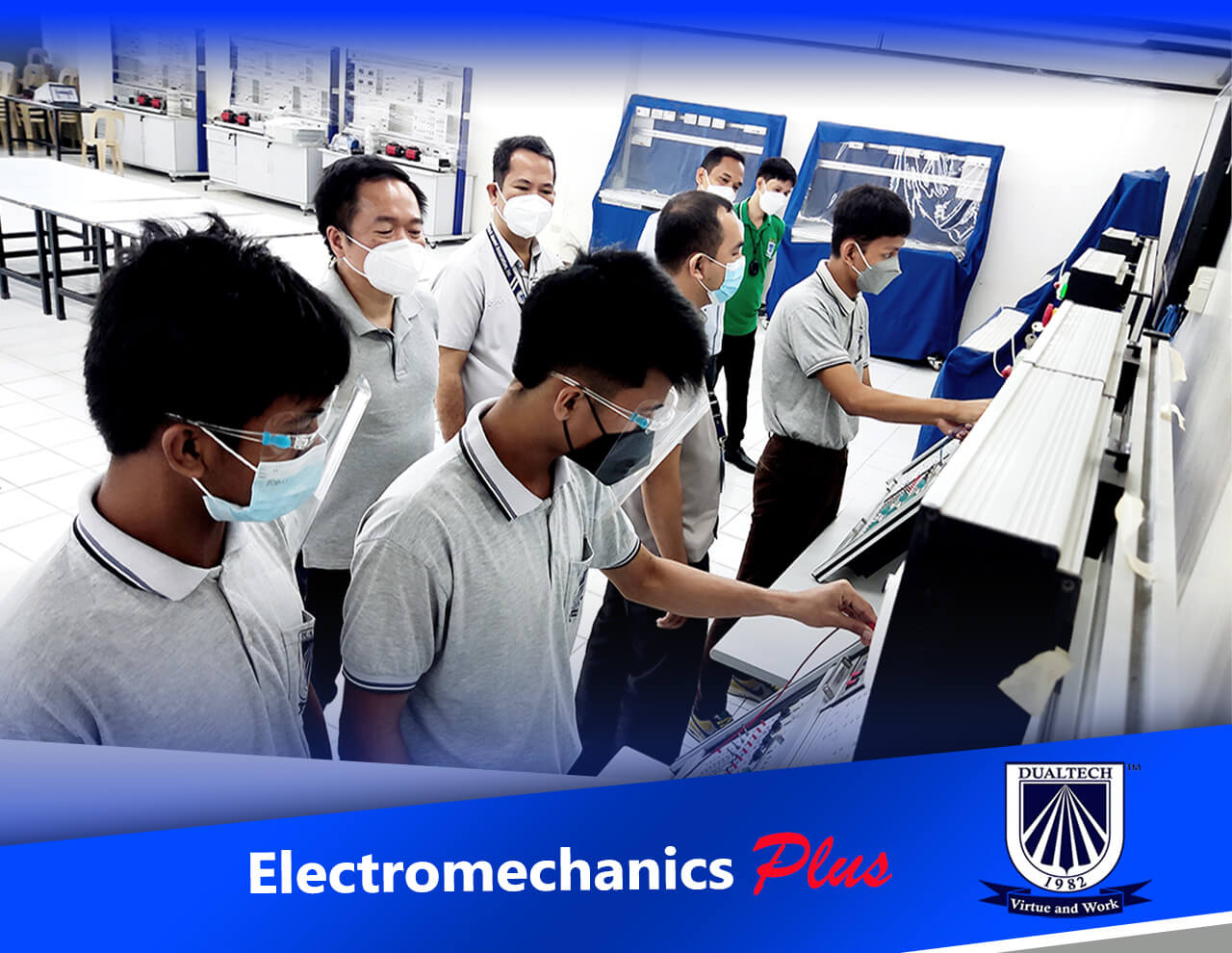
The “learning by doing” is at work as the laboratory is well-appointed with equipment and tools. Students go through training stations in Pneumatics, Digital Electronics and Electronics Motor Control.
The merging of electrical and electronics practice happens in a newly set-up laboratory. The laboratory was made possible through a donation from ERDA Tech Foundation. The collaborative work between ERDA Tech and Dualtech trace back over two decades ago in a variety of joint academic, technical and educational activities.
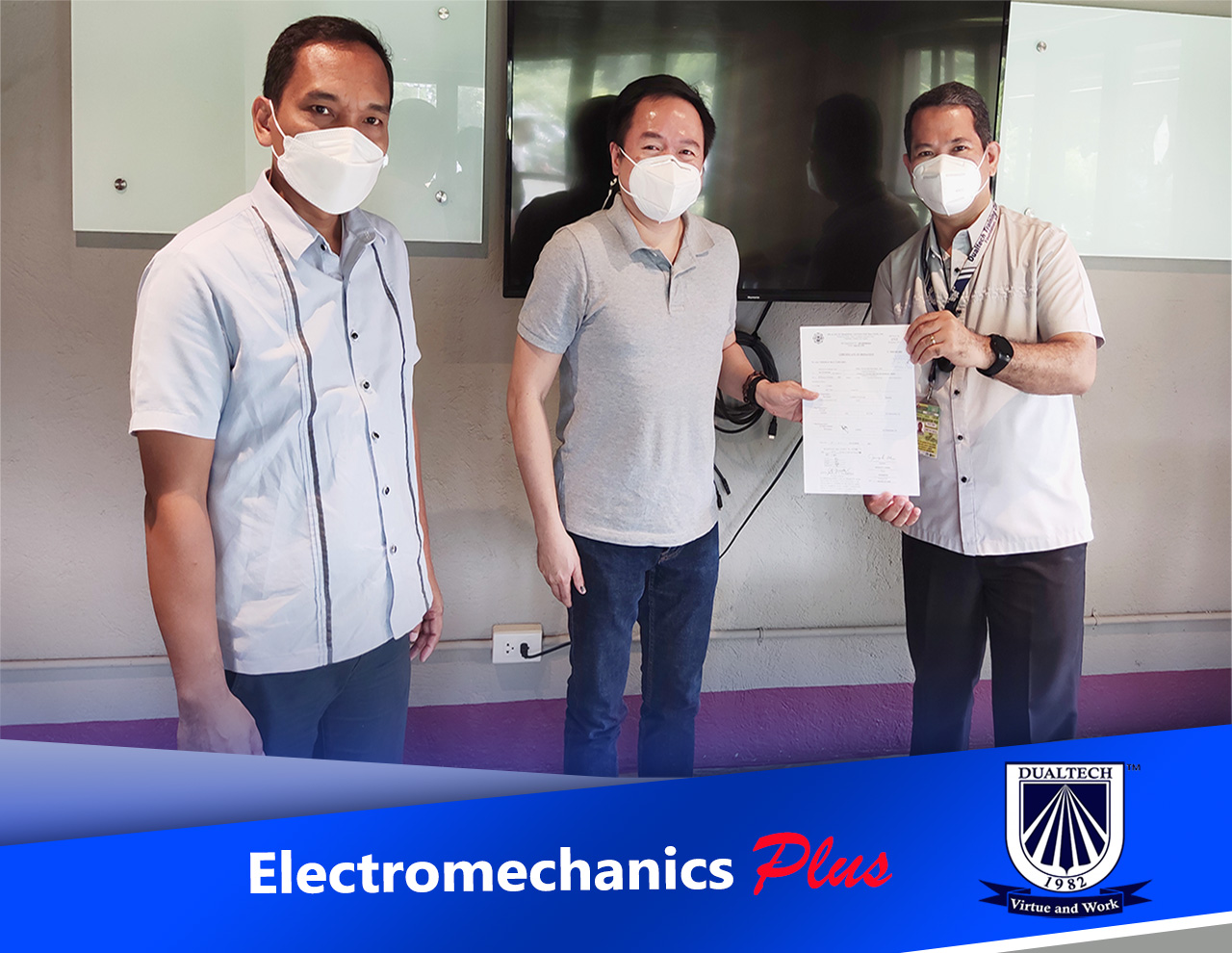
Dualtech is allowed to conduct face-to-face classes through its Flexible Learning Certificate granted by the Technical and Educational Skills Development Authority (TESDA). Dualtech applies the strictest safety protocols in its campus.
Dualtech welcomes donations for scholarships, education subsidy, living allowance and, educational equipment, materials and tools. Application for enrollment is continuing. Visit the website at www.dualtech.org.ph and for more information.
Latest News
-
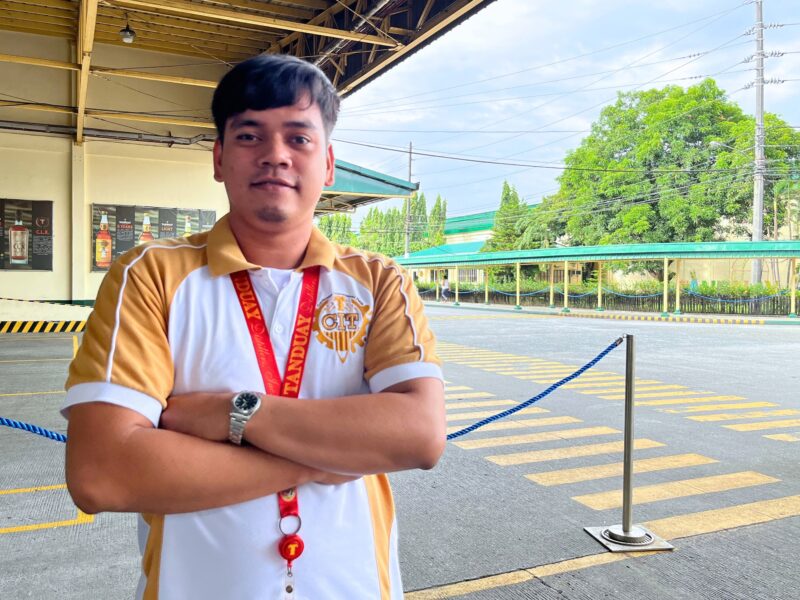 From “I Don’t Know” to “I Can Do It”
For Michael Sangahin, a Dualtech graduate, becoming a regular employee and Certified Inspector at Tanduay Distillers Inc. is a milestone…
-
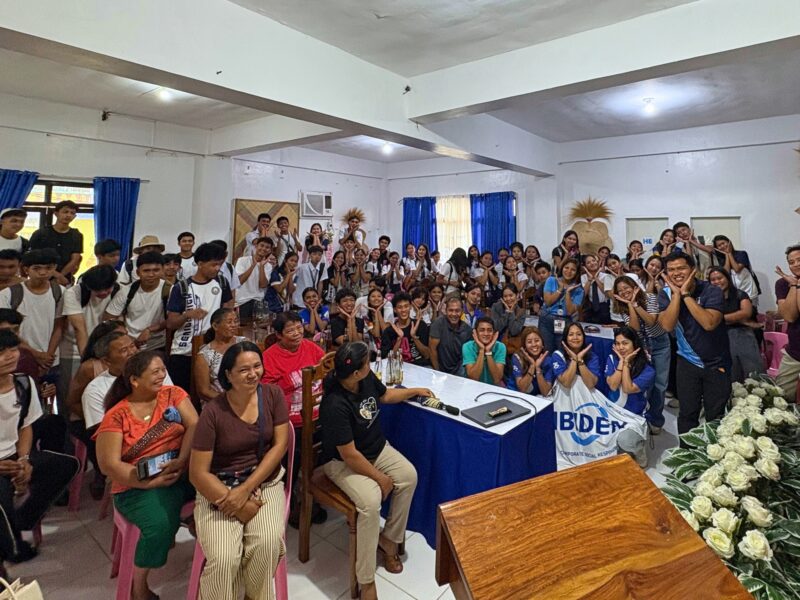 Dualtech Expands Training and Community Partnerships in Eastern Visayas
Dualtech Training Center visited Eastern Visayas to strengthen existing partnerships, explore new collaborations, and introduce its programs to communities seeking…
-
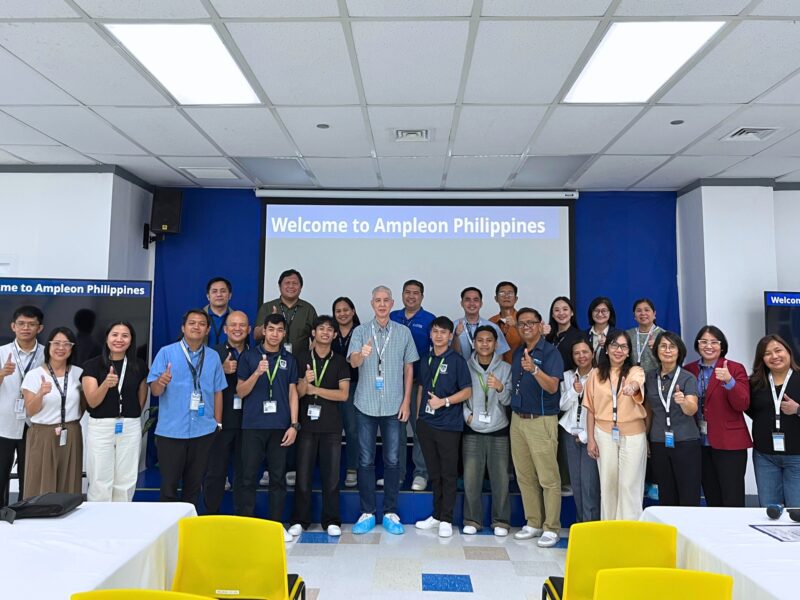 A Continuing Partnership for Young Negrenses
The partnership between the Provincial Government of Negros Occidental and Dualtech Training Center continues to provide young Negrenses with opportunities…