Dr. Villegas bullish on local economy, more tech skills for youth
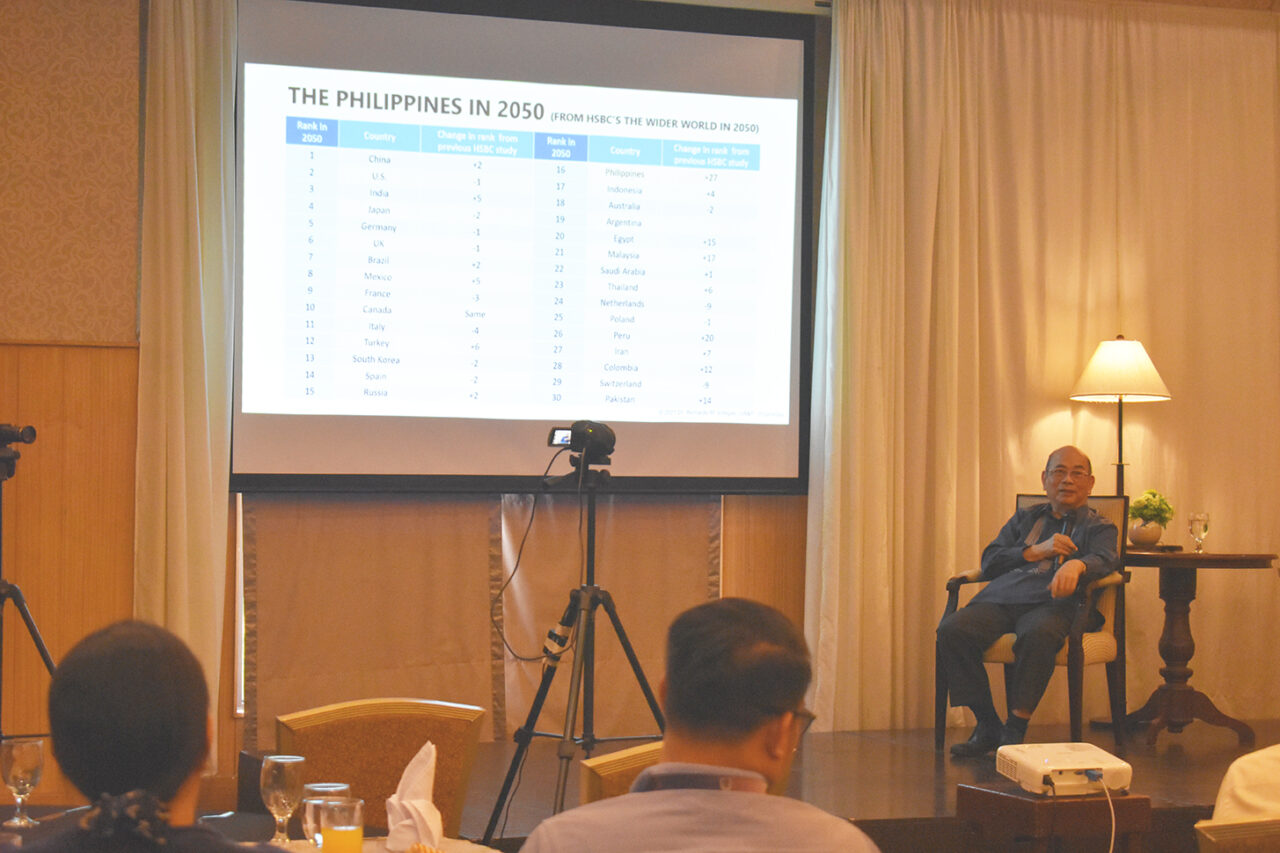
The Philippines’ biggest economic opportunity for now is to maximize the flow of investments entering the region, as a result of the deepening demographic winters in many industrialized countries in many parts of the world.
Dr. Bernardo Villegas gave the above insight, plus many other high level insights, in a hybrid economic briefing for partners and friends last Feb 23 2023, at The Mills Country Club, Canlubang, Calamba City. The veteran economist-professor not only stressed the current health of the economy vis-a-vis rumors of possible recessions, locally or overseas, but also about opportunities and pivot points for the country in the next coming years.
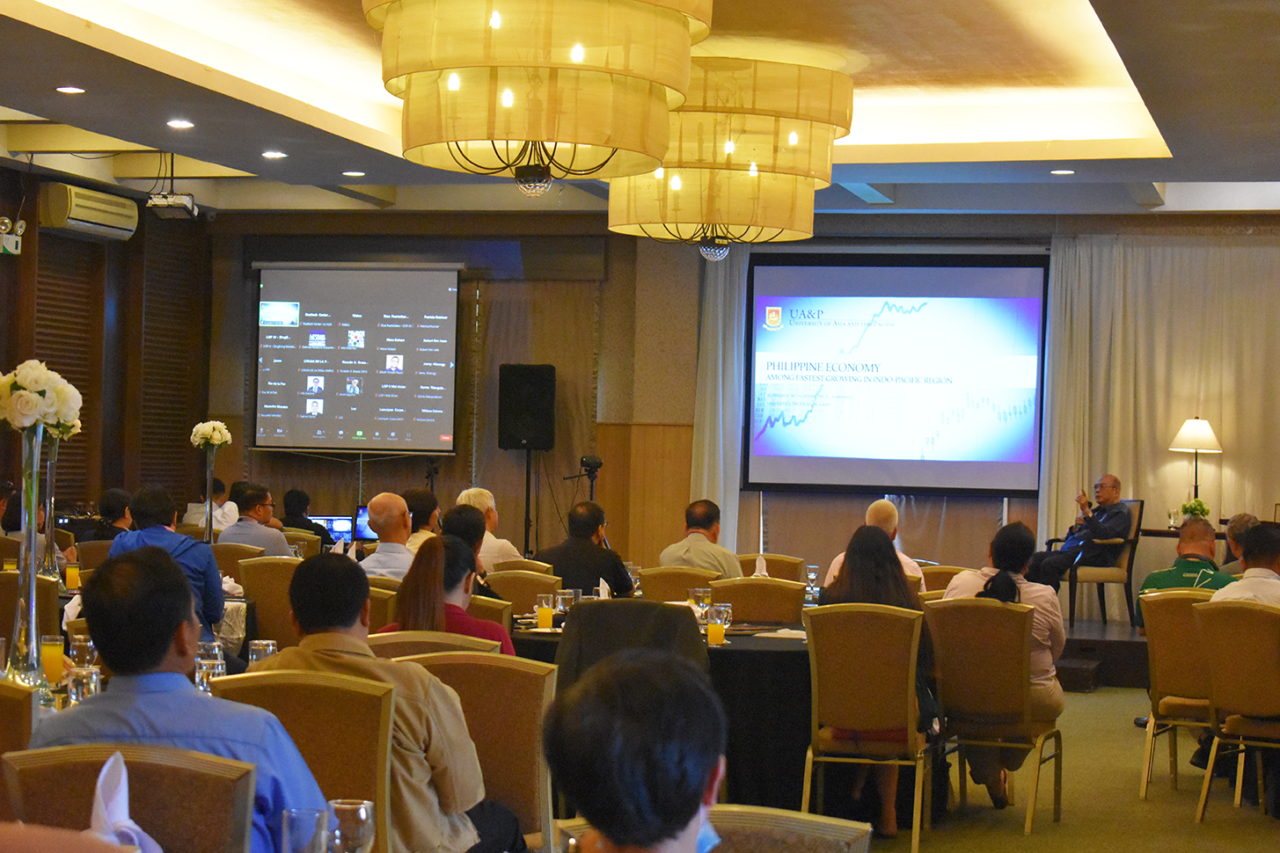
Together with many viewers online, among the distinguished participants in the audience were the Managing Director of Carmelray Development Corporation, Ms. Maria Rosario Yulo-Ng; President of the Laguna Chamber of Commerce and Industry, Atty. Rose Coloma; Vice President of People Management Association of Laguna, Ms. Heidi Merez; Mr. Guido Recio, Provincial Director of DOLE Laguna; and the Region 4A Chamber of Commerce presidents who had a quick tour at Dualtech earlier that afternoon.
Prior to starting the talk, the veteran speaker assured everyone of the rigor that went to preparing the data, which was sourced from overseas think tanks, banks and other institutions to maintain impartiality. The talk began with the good news that “the six to seven percent [growth in GDP] that we attained even before the pandemic has actually improved in 2022,” at 7.6 percent. He also classified the country a certified emerging market, pointed out by data from World Bank and the ADB, and therefore an attractive area for foreign investments.
He explained that the above is however, made possible by “30 years of slow painful but sure reforms… under some of the best and brightest economic managers. Our economy has accumulated what they call a critical mass of strong institutions and appropriate academic policies that guarantee six to seven percent GDP.”
As for the current administration of President Ferdinand Marcos Jr., the three key challenges that he emphasized as critical for the future were: agricultural productivity and growing the sector by 2-3% each year; increasing the percentage of investment to GDP to over 30 percent from the low of 21 to 20 percent; and thirdly, fighting corruption.
During the open forum, someone asked about the role that the young population of the country will play. Dr Villegas said the local demographic is in a good state, and that the contribution of the young growing and English-speaking populations of the BPO-IT industry is the number one asset of the country. This is followed by his “two other engines of growth” for purchasing power that stimulate consumption:
tourism, and the 10 million or more overseas workers who are remitting 36 billion dollars locally.
Other key highlights during the talk:
The issue of the West Philippine Sea is a balancing act, but for now the country needs to do the best it can as the economy’s forecasted growth in the short run is at least 6%, comparable to that of Vietnam and of India.
The amended Public Service Act is a decisive step to attracting more investments from abroad. This needs to sync with the momentum for some sort of “Philippine long-term investment fund,” which is critical at present as the current debt to GDP ratio is around 60% already. The lesson of Vietnam that the country needs to examine closely is that the former opened up its economy to foreign capital years ago, and moreover, that it diverted resources to develop the countryside.
The country can maintain a medium-sized manufacturing sector, plus compete in producing some special exports such as microchips. But what will make the country stand out in the competitive international scene is tourism coupled with the services sector, aside from the IT and OFW sector. There was also discussion of notable cities and provinces that are especially attractive for businesses in the coming years.
In the education sector, there needs to be less emphasis on young people getting conventional degrees, and instead more focus on equipping them with skills and competencies. Thus, there is real demand for more venues of technical skills and vocational training in the future. He then proposed more partnerships in the education sector such as Dualtech and similar institutions.
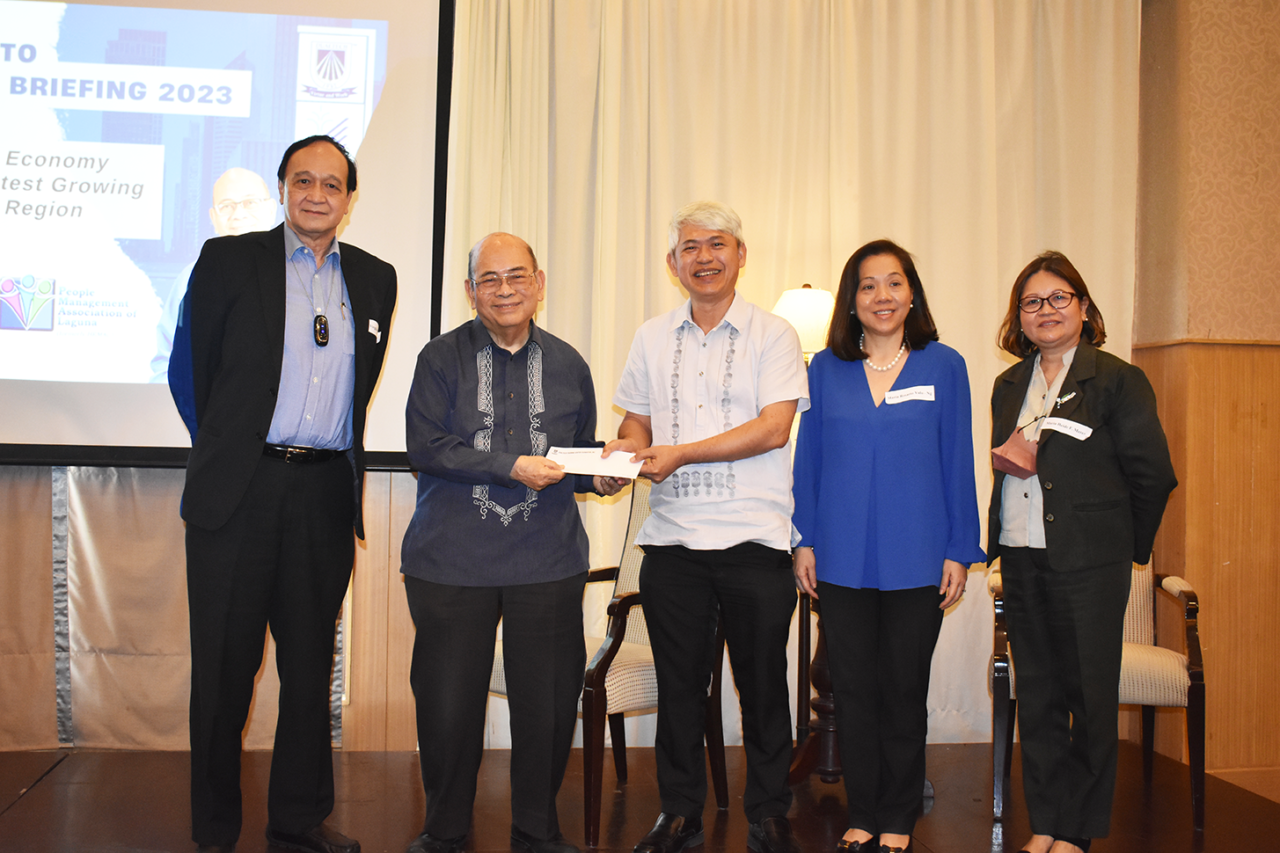
About the Speaker
Bernardo Malvar Villegas is a Visiting Professor of IESE Business School in Barcelona, Professor at the University of Asia and the Pacific (UA&P) and Research Director of the Center for Research and Communication, Manila. His special fields of study are development economics, social economics, business economics and strategic management. He is currently a member of the boards of directors or advisory boards of leading national and multinational firms. He continues to promote investments in the Philippines under the Marcos Jr. Administration.
Latest News
-
 Dualtech Supports Tahanan ng Ama Scholars through Community Outreach in Los Baños, Laguna
Through its partnership with Tahanan ng Ama and its industry partners, Dualtech Training Center conducted a Corporate Social Responsibility (CSR)…
-
 Dualtech Training Center Connects with Communities in Camarines Sur
Dualtech Training Center continued its efforts to bring technical education and career opportunities to Camarines Sur through a series of…
-
 Developing Leaders and Internal Trainers for Organizational Excellence in Central Azucarera de Tarlac
Strong leadership and continuous learning are essential to building high-performing organizations. To support this goal, Dualtech Training Center conducted the…